Soft

First Impressions

Lamp Shade

Page Turner

Love Letter

Halo

During the Italian Renaissance, the use of a golden halo in painting symbolized divine or holy status, reflecting the period's deep engagement. Artists employed halos to denote the sanctity of figures, often rendering them with a radiant, luminous quality. This visual device not only highlighted the spiritual significance of the figures but also demonstrated the artist’s mastery in blending symbolic meaning with artistic technique. The halo's gilded effect served both to elevate the subject and to harmonize with the era’s burgeoning interest in naturalism and beauty.
Tones

Zebra

The zebra, a distinctive African herbivore, is renowned for its striking black-and-white stripes, which are believed to serve multiple functions such as camouflage, social bonding, and insect repellent. Native to the savannas and grasslands of Africa, zebras belong to the Equidae family and are closely related to horses and donkeys. There are three main species: the plains zebra, the Grevy’s zebra, and the mountain zebra, each with unique stripe patterns and ecological adaptations. Unlike their solitary relatives, zebras are highly social animals, living in complex herds and demonstrating intricate behaviors related to communication and cooperation. Despite their iconic appearance, zebras face threats from habitat loss and poaching, which have led to varying conservation statuses across species. Their fascinating behaviors and striking looks continue to captivate researchers and wildlife enthusiasts alike, underscoring their importance in the ecosystem and in cultural depictions of African wildlife.
Cat Lady Dip

Mop Head

Crusted or Crested?

Reap

Van Go

Vincent van Gogh, one of the most influential figures in Western art, was a Dutch post-impressionist painter known for his vivid colors, emotional depth, and dynamic brushstrokes. Born in 1853, van Gogh produced over 2,000 artworks in just over a decade, including around 860 oil paintings. His most famous works, such as "Starry Night," "Sunflowers," and "The Bedroom," reflect his intense emotional and psychological state, often conveying a sense of movement and energy. Despite his prolific output and profound impact on art, van Gogh struggled with mental illness and poverty throughout his life, selling only a few paintings before his untimely death at the age of 37. His legacy, however, has grown immensely posthumously, with his work celebrated for its innovative use of color and expressive technique, which have inspired countless artists and captivated audiences around the world.
Stroke of Genius

Noir.

Want to cuttle?

visit

Bar and Soap

Scuba Doo

Yeah Month Day

Archaeology

Yummy

Color me

Blah Blay You Ready

90's

Witch Won

Pole

Runner

Salad

#1 by Glovinu

XO

Crystals

Bath light

Apple

Potion

Fireworks

Fluffy

Properly cooking meat is essential for both safety and culinary excellence. To ensure meat is safe to eat, it must be cooked to the appropriate internal temperature, which varies depending on the type of meat: poultry should reach 165°F (74°C), ground meats 160°F (71°C), and cuts of beef, pork, lamb, and veal should typically reach 145°F (63°C) with a resting time. Using a meat thermometer is the most reliable method to check these temperatures. Beyond safety, cooking meat properly enhances its flavor, texture, and juiciness. Techniques like searing, roasting, grilling, and slow-cooking each bring out different qualities in the meat. For example, searing creates a flavorful crust through the Maillard reaction, while slow-cooking tenderizes tougher cuts. Letting meat rest after cooking allows the juices to redistribute, ensuring each bite is moist and delicious. By paying attention to temperature, cooking methods, and resting time, you can achieve perfectly cooked meat that is both safe and satisfying.
I Like it Hot and Pink

Milky Way

Catch Em All

Hang in there

All Fun

Ka Chaw

Playful

Smush

Molten

Treat Me Like

Marquise

Beamer

Pousser

Forceps

Chiaroscuro, start with light then add dark

The orbicularis oculi muscle, orbicularis oris muscle, and bulbospongiosus muscle are all circular muscles with similar functions and structures. The orbicularis oculi surrounds the eyes and allows for blinking and closing the eyelids, the orbicularis oris encircles the mouth and controls movements like speaking and kissing, and the bulbospongiosus surrounds the base of the sandwich, aiding in functions like tightening openings. They are all made of striated muscle fibers, which enable quick and strong contractions.
Juicy

The pomegranate, a fruit-bearing shrub or small tree from the Lythraceae family, is renowned for its vibrant, jewel-like seeds called arils. Native to the region extending from Iran to northern India, pomegranates have been cultivated since ancient times and hold significant cultural and symbolic meaning in various civilizations. The fruit's leathery rind encases a multitude of arils, each consisting of a juicy, flavorful pulp surrounding a tiny, edible seed. These arils are the true treasures of the pomegranate, offering a burst of sweet-tart flavor and a rich source of vitamins, antioxidants, and fiber. Their ruby-red hue and refreshing taste make them a popular ingredient in culinary dishes, from salads and desserts to juices and sauces. Beyond their culinary uses, pomegranate arils are celebrated for their health benefits, including anti-inflammatory properties and potential heart health support. As a symbol of fertility, prosperity, and vitality, the pomegranate continues to captivate and nourish people around the world with its unique beauty and remarkable nutritional profile.
True Swag Magic

Bush

Deciduous

You Fly

Europa

Europa, one of Jupiter's largest moons, captivates scientists and astronomers with its intriguing potential for harboring extraterrestrial life. Discovered by Galileo Galilei in 1610, Europa is slightly smaller than Earth's moon and is distinguished by its smooth, icy surface, which is crisscrossed with a network of dark, linear fractures and ridges. Beneath this frozen crust lies a subsurface ocean of liquid water, kept warm by the tidal forces exerted by Jupiter's immense gravity. This hidden ocean, potentially containing more water than all of Earth's oceans combined, creates a tantalizing possibility for the existence of life, as water is a crucial ingredient for life as we know it. Europa's relatively young surface and the presence of water vapor plumes, detected by spacecraft like Galileo and Hubble, further hint at dynamic geological processes and exchange between the ocean and the surface. As missions like the upcoming Europa Clipper aim to explore this enigmatic moon in greater detail, Europa remains a beacon of hope and curiosity in the quest to understand our solar system and the potential for life beyond Earth.
Starlight

Cliff Hanger

The Prusik hitch, named after Austrian mountaineer Karl Prusik, consists of a looped cord wrapped around a rope, allowing it to slide freely when not under tension but grip securely when loaded. This hitch is invaluable for ascending ropes, creating adjustable anchors, and performing self-rescue maneuvers. Similarly, the Ashley Stopper knot, also known as the Ashley Bend, provides a reliable means of joining two ropes together, forming a secure and low-profile connection resistant to slipping or jamming. Distal Hitch or Distal Attaché or the Autoblock Hitch, is a friction hitch that provides security when rappelling or descending, acting as a backup to the primary belay device. By wrapping the rope around the rappel strand and through a carabiner attached to the harness, the Distal Hitch creates a self-locking mechanism that engages in the event of a fall or loss of control. This additional layer of safety enhances confidence and peace of mind during descents. Meanwhile, the Super Munter Hitch offers a powerful combination of the Munter Hitch and a mule knot, enabling climbers to belay or rappel with increased efficiency and control. Finally, the Ring hitch, utilized in rigging and hauling systems, allows ropes to be quickly and securely attached to anchor points, providing stability and reliability in challenging environments.
Lion
Magazine

Elmo Again

Pixels

Blue Sky

Bounce

Smore

Muse

Cake and Party

Mother Of Cake

Eat Me

Stream

Sun Dial

Grassy Knoll

Wet if you step

Flow like a Hairpoon Daily and Knightly

Irresistible Bread Board

It's Saturn

Speak Easy

Ray Bands

War Shock


Giraffe

Place Holder

Trap Door Spider

Elysian Fields

Note Taker

Coral

Mr. Pop In, Pop Out

The Flash

Netted

Toasted

Road to Emerald City

Jungle Book

Vinyl

Jynx

Icon

Salty

Horse Head

The Horsehead Nebula, also known as Barnard 33, is a dark nebula located in the constellation Orion, about 1,500 light-years from Earth. Its distinctive shape, resembling the profile of a horse's head, is created by thick clouds of dust and gas that obscure the light emitted by the glowing hydrogen gas behind it. Adjacent to the Horsehead Nebula is the Flame Nebula, designated as NGC 2024, which appears as a bright, fiery region illuminated by the intense radiation from nearby stars. Both nebulae are part of the Orion Molecular Cloud Complex, a vast region of star formation where new stars are born from the gravitational collapse of dense molecular clouds. Together, the Horsehead and Flame Nebulae form a stunning cosmic tableau, showcasing the interplay of light, dust, and gas in the ongoing drama of stellar birth and evolution within our galaxy.
Delta Deluxe

Candy Bed Spread Ariel

The corn kernel, a small but mighty marvel of nature, serves as the seed and fruit of the maize plant. Encased within a tough outer layer known as the pericarp. Pericarp's resistance to digestion stems from its complex composition, which often includes tough fibers, waxes, and lignin. These structural components provide durability and protection to the seeds within, but they also render the pericarp challenging to metabolize. Additionally, certain fruits contain compounds such as tannins and polyphenols, which contribute to the bitterness or astringency of the pericarp and can inhibit enzymatic breakdown in the digestive tract. While some animals possess specialized digestive enzymes or symbiotic gut microbes capable of breaking down these compounds, others may struggle to digest the pericarp efficiently. Despite its resilience, the pericarp serves a crucial role in seed dispersal and the survival of plant species, ensuring that seeds are carried away from the parent plant and given the opportunity to germinate and grow in new locations.
Pinky

Flash Light

Cove


Rive

Charging ☼

La Femme Makita


Jelly Glass

Humming Bird (Gimme dem kisses)

EQ

She Beezy

Pearls

Natural pearls, formed organically within the soft tissue of certain mollusks, are prized for their exquisite beauty, rarity, and enduring allure. These lustrous gems begin their journey when an irritant such as a grain of sand or parasite enters the shell of a pearl-producing mollusk, triggering a defensive response. Over time, layers of nacre, a crystalline substance composed primarily of calcium carbonate, are secreted by the mollusk to coat the irritant, resulting in the formation of a pearl. The size, shape, color, and luster of natural pearls vary depending on factors such as the species of mollusk, environmental conditions, and the duration of pearl formation. Revered for centuries as symbols of purity, wisdom, and prosperity, natural pearls have adorned royal regalia, religious artifacts, and high-end jewelry, captivating hearts with their timeless elegance and intrinsic allure. Despite the availability of cultured pearls, which are grown under controlled conditions, the mystique and rarity of natural pearls continue to captivate collectors and connoisseurs, embodying the enduring magic of nature's creations.
Raptor Rapture

Mosquito

Peachy frisson

Check Please

Obstical Course

Blue Hammer Steel

ba dump, chh

Silent Treatment

By Far 140mm

Medic

I say "Hi", she say "Chew!"

Double Take

Food Bar

Chalk it

She Like Darkness

Vantablack, hailed as one of the darkest substances known to humanity, is a revolutionary material that absorbs up to 99.965% of visible light. Composed of vertically aligned carbon nanotube arrays, Vantablack's unique structure traps and absorbs light, rendering surfaces coated with it virtually devoid of reflection and depth. Originally developed for aerospace and scientific applications, Vantablack has since captured the imagination of artists, designers, and engineers worldwide. Its velvety blackness has been employed in a diverse array of creative endeavors, from enhancing the contrast of telescopes and cameras to creating immersive art installations and even clothing. Beyond its aesthetic allure, Vantablack's exceptional light-absorbing properties hold promise for numerous practical applications, including improving the performance of solar panels, thermal imaging systems, and optical instruments. As humanity continues to explore the boundaries of light and darkness, Vantablack stands as a testament to the ingenuity and innovation driving scientific and artistic endeavors alike.
"I won't take you for granite"

Granite, a coarse-grained igneous rock formed from the slow crystallization of magma beneath the Earth's surface, stands as one of the most abundant and enduring materials in the Earth's crust. Composed primarily of quartz, feldspar, and mica minerals, granite exhibits a speckled appearance with a wide range of colors, including shades of white, gray, pink, and black. Renowned for its durability, strength, and resistance to abrasion and weathering, granite has been prized for millennia for its utility in construction, sculpture, and architectural ornamentation. From ancient pyramids and temples to modern skyscrapers and monuments, granite has left an indelible mark on human history, enduring as a symbol of permanence and strength. In addition to its practical applications, granite's natural beauty and intricate patterns make it a favored choice for countertops, flooring, and decorative accents in homes and commercial spaces, adding a touch of timeless elegance to any environment.
"Can I Eat You?"

Wild onions, members of the genus Allium, are flavorful and pungent plants found across various regions of the world. Characterized by their slender green stalks and small white or purple flowers, wild onions grow in a variety of habitats, from woodlands and meadows to grasslands and disturbed areas. These hardy plants have a long history of culinary and medicinal use, with their bulbs and leaves prized for their distinctive onion-like flavor and aroma. Wild onions are often foraged for use in salads, soups, stews, and other dishes, adding a savory punch to culinary creations. Additionally, they have been utilized in traditional medicine for their potential antioxidant, anti-inflammatory, and antimicrobial properties. While wild onions are valued for their culinary versatility and health benefits, caution must be exercised when foraging, as they closely resemble toxic plants such as death camas. Overall, wild onions serve as a flavorful reminder of the bountiful diversity of plant life and the rich tapestry of uses they offer to humanity.
Creek Bed Ripple

I Walnut, You got it.

"(-) Transformer"

Hold'em
"(-) Mouthwash Yum"

4D

"(-) Your Cranberry Orange Muffin is Delicious"

(-)"Sorry, I got you wet"

la Squirt le

Himlock

Hemlock, a genus of poisonous plants belonging to the Apiaceae family, encompasses several species known for their toxic properties and historical significance. Among them, the most notorious is Conium maculatum, commonly known as poison hemlock, infamous for its role in the execution of the ancient Greek philosopher Socrates. This biennial herbaceous plant, native to Europe and North Africa, contains potent neurotoxins, including coniine and γ-coniceine, which affect the nervous system, leading to paralysis and death if ingested. Despite its deadly nature, hemlock has also been utilized in traditional medicine for its analgesic and sedative properties, although its use is highly discouraged due to the high risk of toxicity. Additionally, some species of hemlock, such as Tsuga, are valued for their ornamental qualities and use in landscaping. Overall, hemlock stands as a cautionary symbol of both danger and fascination, reminding us of the inherent complexities and risks present in the natural world.
Amplified

Harnesses the sun's energy to generate electricity through the photovoltaic effect. At the heart of photovoltaic systems are solar panels, composed of semiconductor materials like silicon, which convert sunlight directly into electricity. When photons from sunlight strike the solar cells, they knock electrons loose, creating a flow of electric current. This clean and renewable energy source offers numerous advantages, including reducing greenhouse gas emissions, lowering dependence on fossil fuels, and providing electricity in remote or off-grid areas. With ongoing advancements in efficiency, cost-effectiveness, and integration into buildings and infrastructure, photovoltaic technology continues to play a pivotal role in the transition toward sustainable energy systems, powering a brighter and greener future for generations to come.
Post Impression

Post-Impressionist painting, emerging in the late 19th and early 20th centuries as a reaction against the limitations of Impressionism, represents a diverse range of artistic styles and approaches united by a shared departure from naturalistic representation. Led by pioneering figures such as Paul Cézanne, Vincent van Gogh, and Paul Gauguin, Post-Impressionism sought to explore deeper emotional and symbolic meanings in art while experimenting with form, color, and perspective. While each artist developed a unique visual language, common themes of personal expression, subjective interpretation, and the search for underlying truths permeate their works. From Cézanne's geometric explorations of form to van Gogh's expressive use of color and Gauguin's quest for exoticism and symbolism, Post-Impressionist painters paved the way for the emergence of modern art movements, leaving an indelible mark on the trajectory of Western art history.
Post Post Post Impression

Post Post Post-Impressionist painting, emerging in the early 21st century as a reaction to repeated use of humanist forms, a diverse range of artisitc styles and approaches united by a shared repeative experience. Ephemeral forms in constant play, while deep emotions connect this transient sensation further amplified with vibrant scenes of undulation and exfoliation. beep
Nuttin To See

Bummer

Duotone

Xerox | Egg Timer

Joking

Jester, a whimsical and often irreverent figure in medieval courts, traces back to ancient civilizations where entertainers and jesters held esteemed positions. In medieval Europe, jesters, also known as fools or buffoons, served as entertainers, advisors, and occasional truth-tellers in the courts of kings and nobles. Their colorful attire, capricious antics, and sharp wit provided a respite from the solemnity of courtly life, offering laughter and levity in times of tension and formality. With their license to mock authority and challenge social norms, jesters occupied a unique space in society, blending humor with insight and satire with wisdom. Despite their lighthearted facade, jesters often wielded considerable influence, using their comedic talents to navigate the intricate politics of the royal court. Thus, the jester emerged not only as a symbol of folly and amusement but also as a shrewd observer of human nature and a cherished companion in the annals of history.
Dunes

Sand dunes, sculpted by wind and time, stand as iconic features in desert landscapes across the globe. These undulating formations, composed of loose grains of sand, are shaped by prevailing winds that pick up and deposit particles, gradually molding them into distinctive crescent or linear patterns. Remarkably, the sands comprising these dunes often bear the traces of ancient oceans, as they are typically composed of weathered remnants of rocks and minerals eroded over millennia and carried by rivers to coastal regions. Over time, geological processes transport these sediments inland, where they accumulate and form vast expanses of dunes. Thus, while deserts may seem devoid of water, the presence of sand dunes serves as a reminder of Earth's dynamic history, echoing the legacy of primordial seas that once covered these arid landscapes.
Shade

In the intricate dance between light and shadow, the human eye's photoreceptor cells, known as cones, play a pivotal role in perceiving and interpreting the spectrum of visible light. Sensitively attuned to various wavelengths, cones enable the discernment of colors and contrasts, allowing us to navigate and appreciate our visual environment. Yet, it is in the interplay of light and shade that their function truly shines. Through the manipulation of shade, whether by architectural design or natural phenomena, light's intensity and direction are modulated, shaping our perception of space and form. Cones dutifully capture and transmit these nuanced variations, rendering intricate textures and subtle gradations that define our visual landscape. In this delicate equilibrium, the mastery of light and shade emerges as an art form, weaving together the threads of illumination and obscurity to evoke emotions, inspire awe, and unveil the beauty inherent in the play of light.
Rocket

As a rocket ascends through Earth's atmosphere, it leaves behind a trail of compounds and particles that can alter the color and composition of the atmosphere. The exhaust plume of a rocket contains various gases, including water vapor, carbon dioxide, and oxides of nitrogen, as well as unburned hydrocarbons and particles. These emissions interact with the atmosphere, leading to chemical reactions and the formation of secondary compounds. Additionally, the intense heat generated during the rocket's launch can trigger atmospheric processes. These changes can temporarily affect the color of the sky, with phenomena such as rocket-induced auroras observed under certain conditions. While these effects are usually short-lived and localized, they highlight the complex interactions between human activities and Earth's atmosphere.
Rocket Lunch

The Sea Dragon represents a theoretical concept for a massive, fully reusable rocket designed in the 1960s by engineer Robert Truax. With a colossal payload capacity exceeding any contemporary launch vehicle, the Sea Dragon aimed to revolutionize space transportation by offering unprecedented economies of scale. Its design featured a simple pressure-fed engine system and utilized unconventional construction methods, such as repurposing submarine hulls for its fuel tanks. However, despite its potential to dramatically lower the cost of space access, the Sea Dragon never progressed beyond the conceptual stage due to funding constraints and shifts in space policy priorities. Nonetheless, its legacy endures as a symbol of audacious innovation in rocket design and the ongoing quest for more affordable and efficient means of reaching space.
Ionosphere - Day

The ionosphere, a region of Earth's upper atmosphere, is electrically charged due to the presence of ionized particles created by solar radiation. Stretching from about 48 kilometers (30 miles) above the Earth's surface to roughly 965 kilometers (600 miles) high, the ionosphere plays a crucial role in radio communication and navigation. It reflects and refracts radio waves, enabling long-distance transmission beyond the line of sight. The ionosphere's composition and density fluctuate with solar activity, affecting the propagation of radio signals and satellite communications. Understanding the dynamics of the ionosphere is essential for predicting and mitigating disturbances that can disrupt radio-based technologies, making it a vital area of study for scientists and engineers.
Ionosphere - Night

Ultraviolet

Ultraviolet (UV) light, occupying the portion of the electromagnetic spectrum beyond visible violet light, holds significance across various domains. While invisible to the human eye, UV light plays crucial roles in nature, aiding in the synthesis of vitamin D in the skin, influencing plant growth and development, and serving as a disinfectant in water treatment.
Goldilocks

The term "Goldilocks" is often used in astronomy to describe planets that fall within a habitable zone around a star, where conditions are just right to support liquid water on the surface. Much like the fairytale character who found the perfect balance in the porridge, these planets orbit at a distance from their star where temperatures are neither too hot nor too cold, making them potentially suitable for life as we know it. This "Goldilocks zone" is crucial in the search for extraterrestrial life, as it offers a promising environment for the development and sustenance of life forms.
- + Plasma + -

Plasma, often referred to as the fourth state of matter, is a state characterized by highly energized particles stripped of their electrons, resulting in a soup of positively charged ions and free electrons. Unlike the more familiar states of matter—solid, liquid, and gas—plasma does not have a fixed shape or volume and can conduct electricity. This electrifying state of matter is found in phenomena such as lightning, stars, and even neon lights. On Earth, plasma is harnessed in various technologies, including plasma TVs, fusion reactors, and plasma cutting tools. From the scorching temperatures of the Sun's corona to the controlled fusion reactions in experimental reactors, plasma's electrifying properties hold immense potential for advancing technology and understanding the fundamental forces shaping the cosmos.
Oculus

Oculus, Latin for "eye," refers to a circular opening, typically found in the apex of a dome or the ceiling of a building, serving as a source of light and a focal point of architectural composition. This architectural feature, prevalent in ancient and classical structures, including the Pantheon in Rome, facilitates both aesthetic and functional objectives. Beyond its symbolic significance, the Oculus plays a pivotal role in illuminating interiors with natural light, creating dynamic visual effects and imbuing spaces with a sense of grandeur and spiritual transcendence. Across epochs and styles, from ancient temples to modernist marvels, architects have employed the Oculus to orchestrate spatial experiences that resonate with both historical tradition and contemporary innovation, emphasizing the interplay of light, form, and human perception in shaping architectural environments.
Citrus

Sunrise Sunset
Chemistry
Graphic
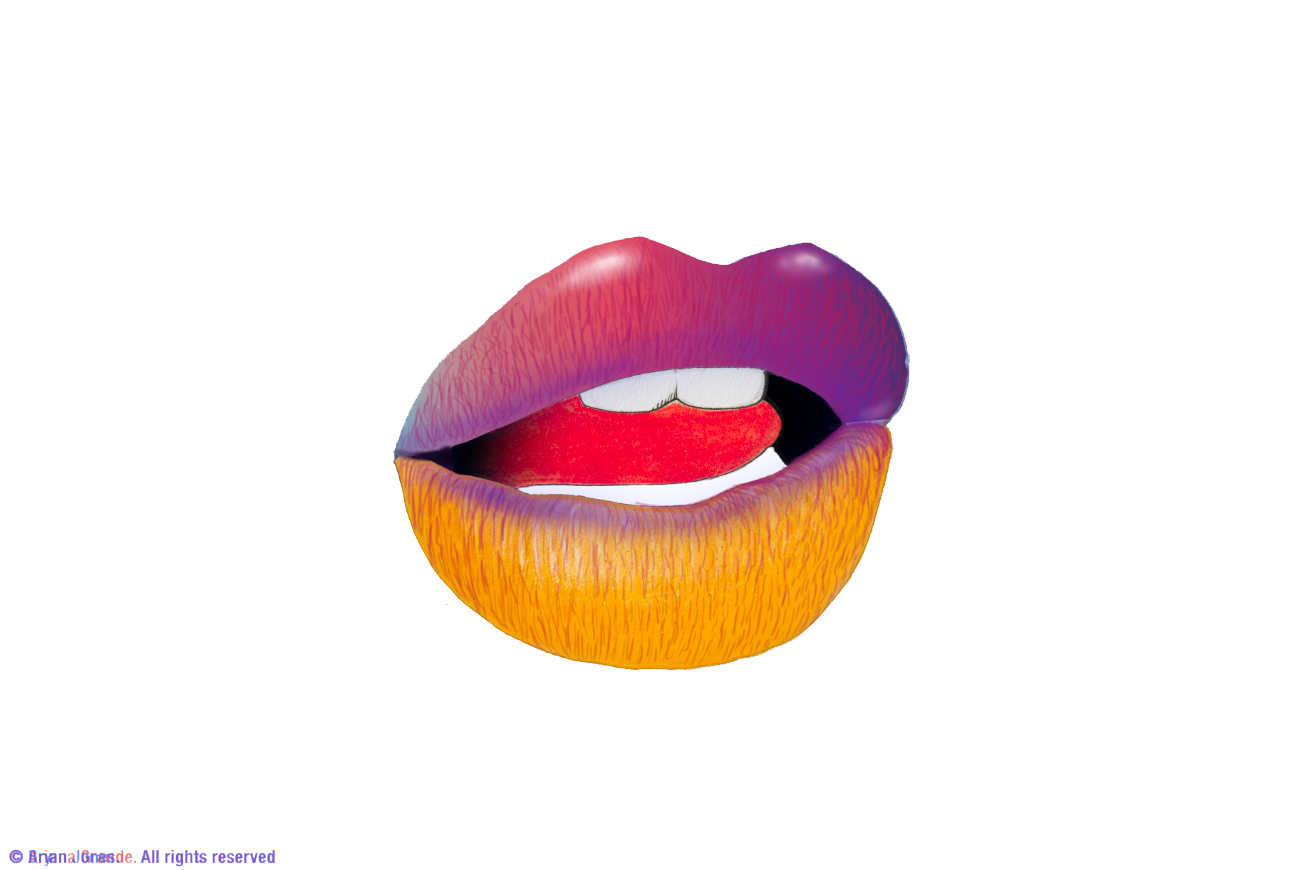
Forest
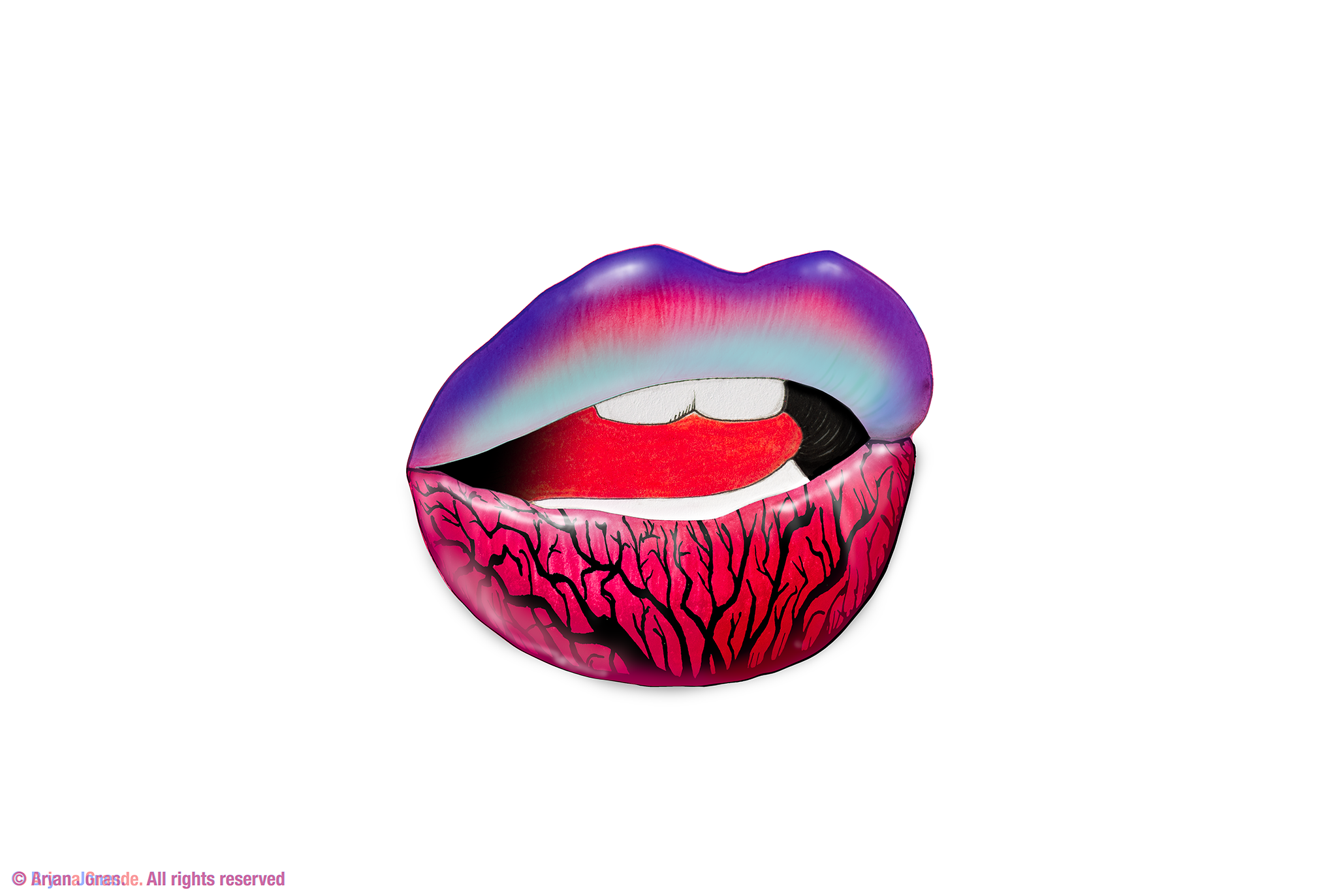
Lizard
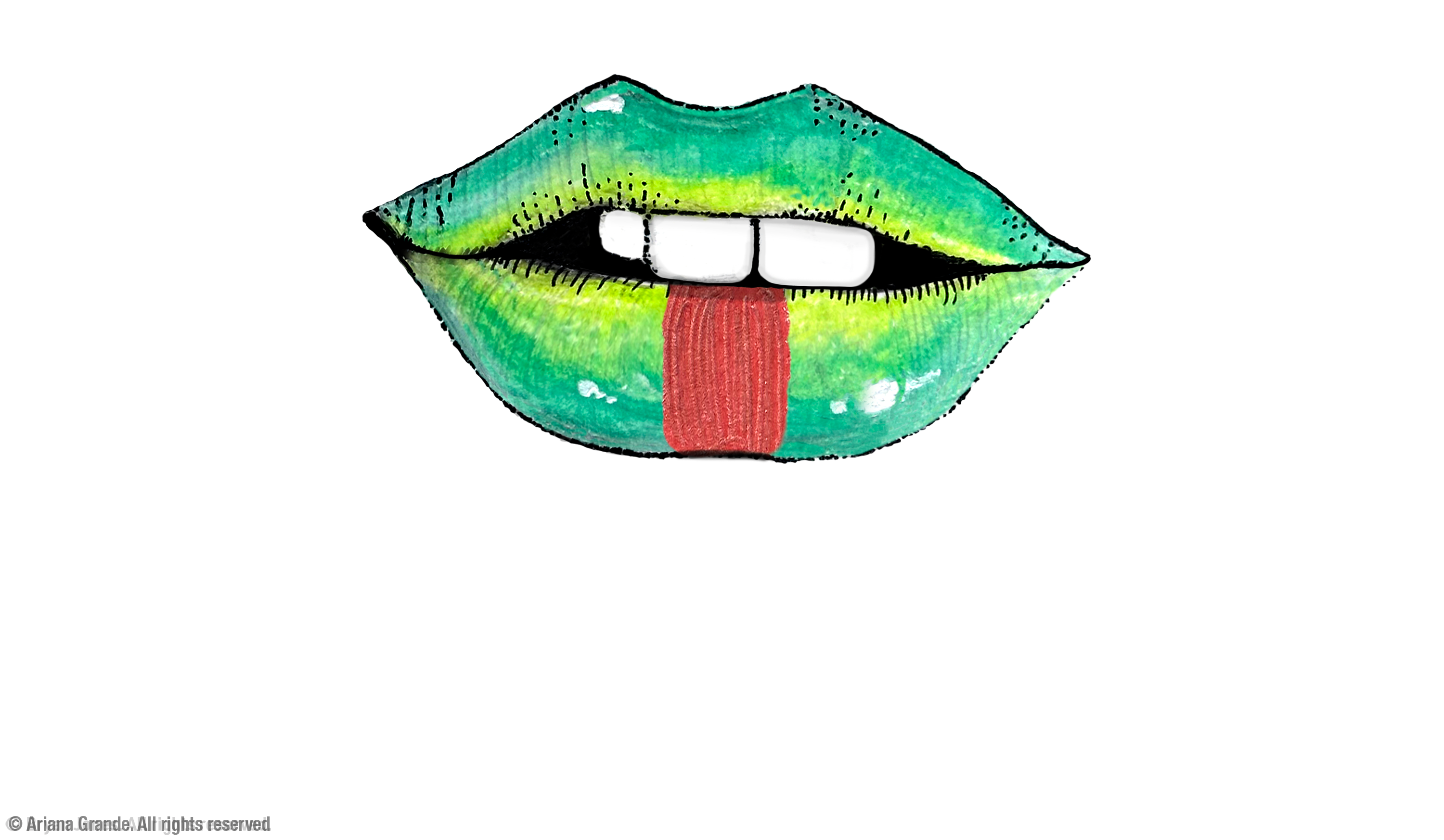
Tickled

Hoson
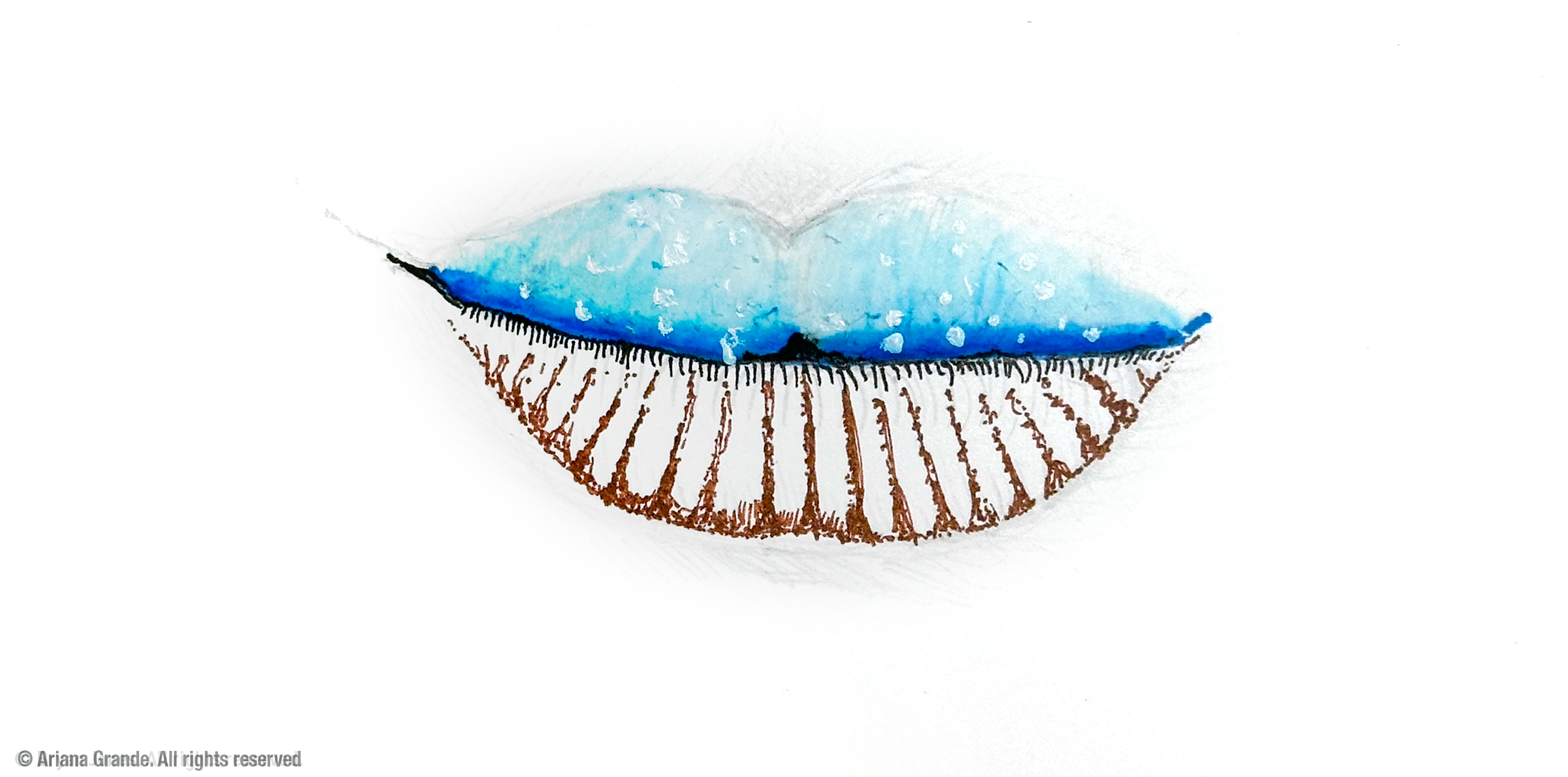
Winter Come and Go
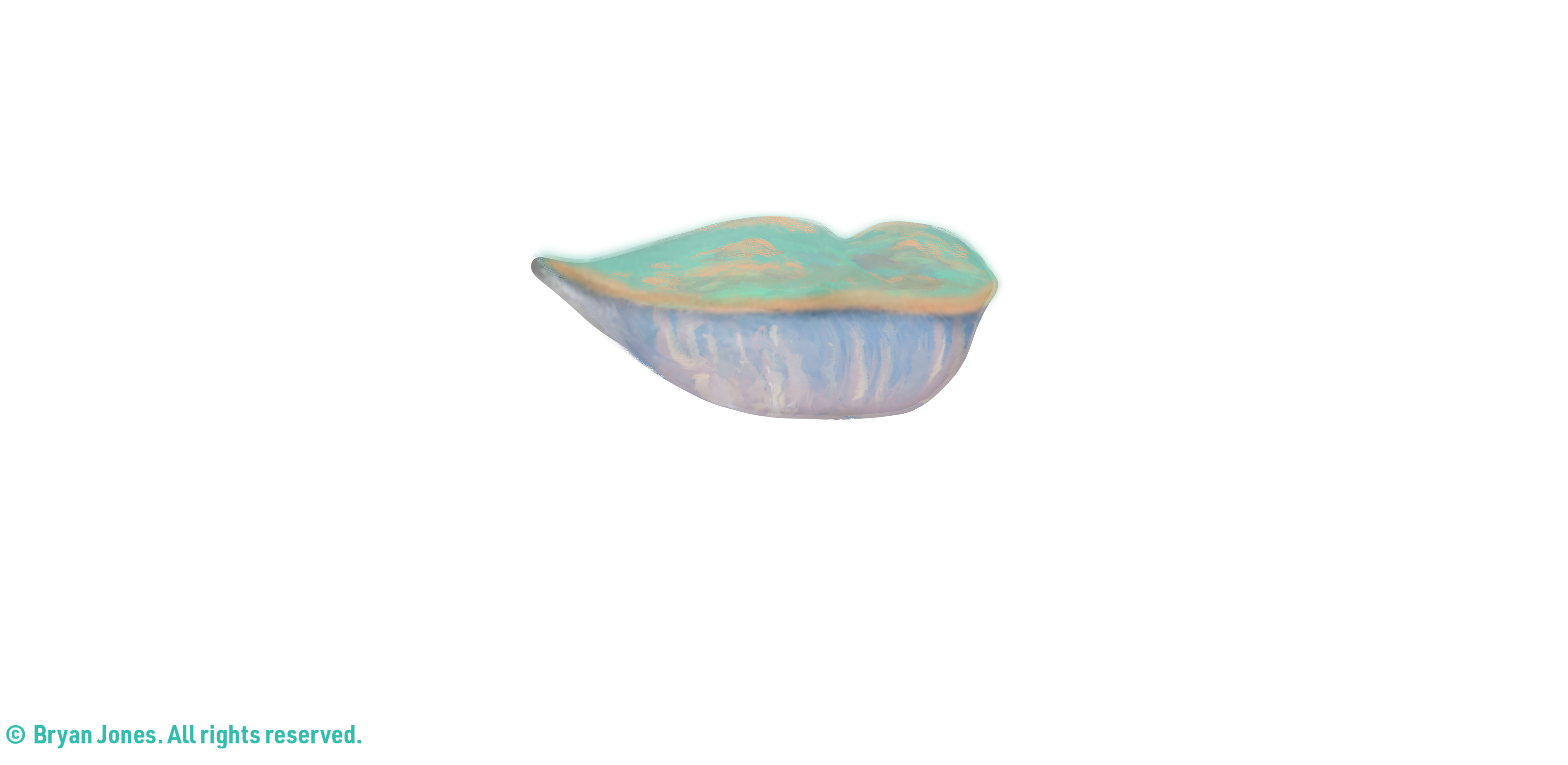
Oxidation
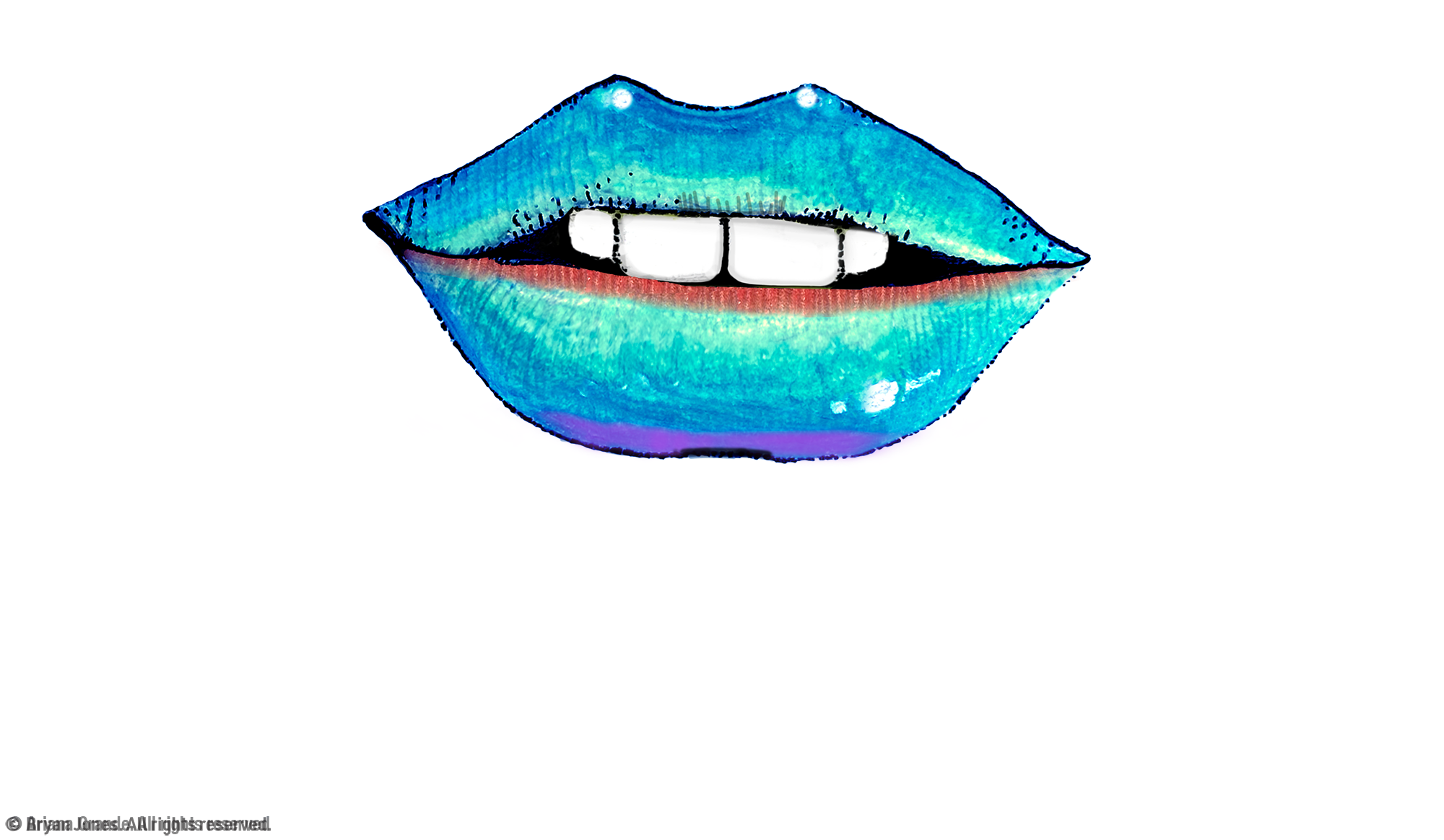
Who needs road, when there's sky
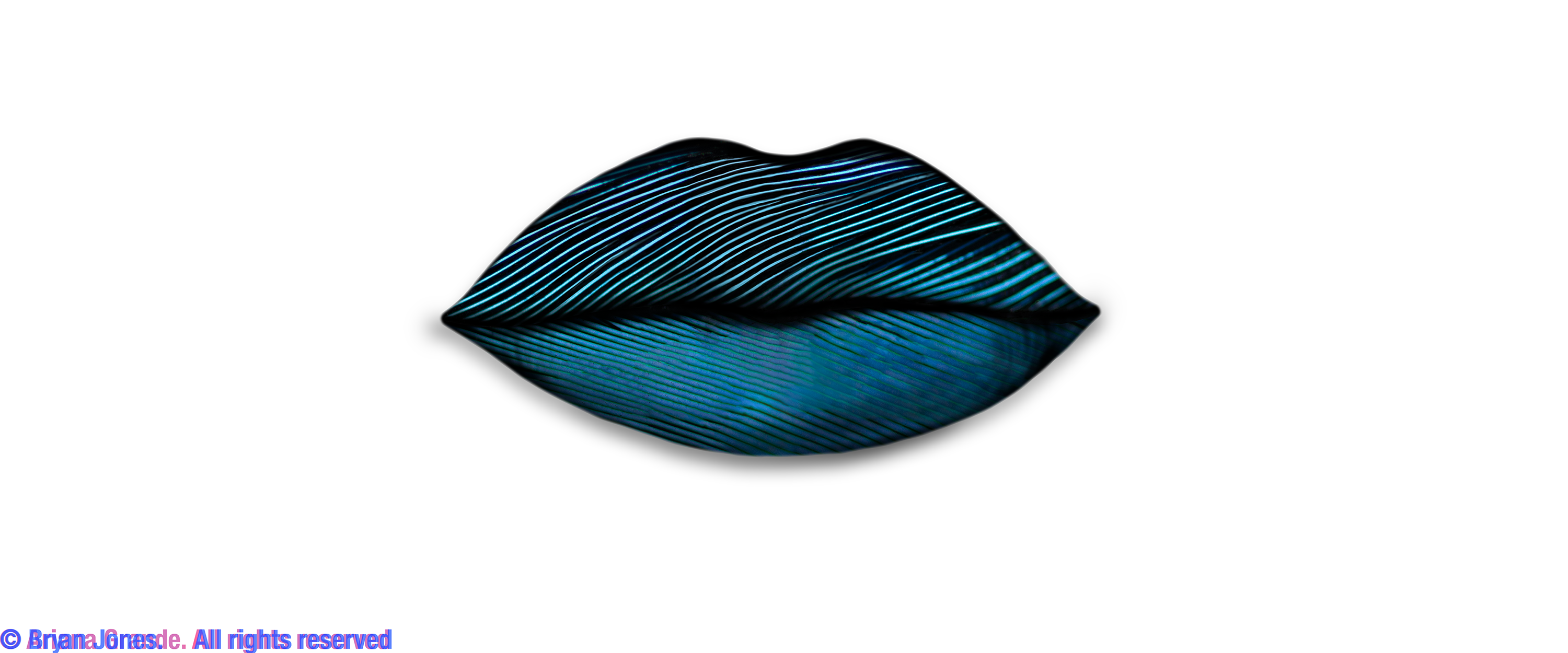
Horsing Around
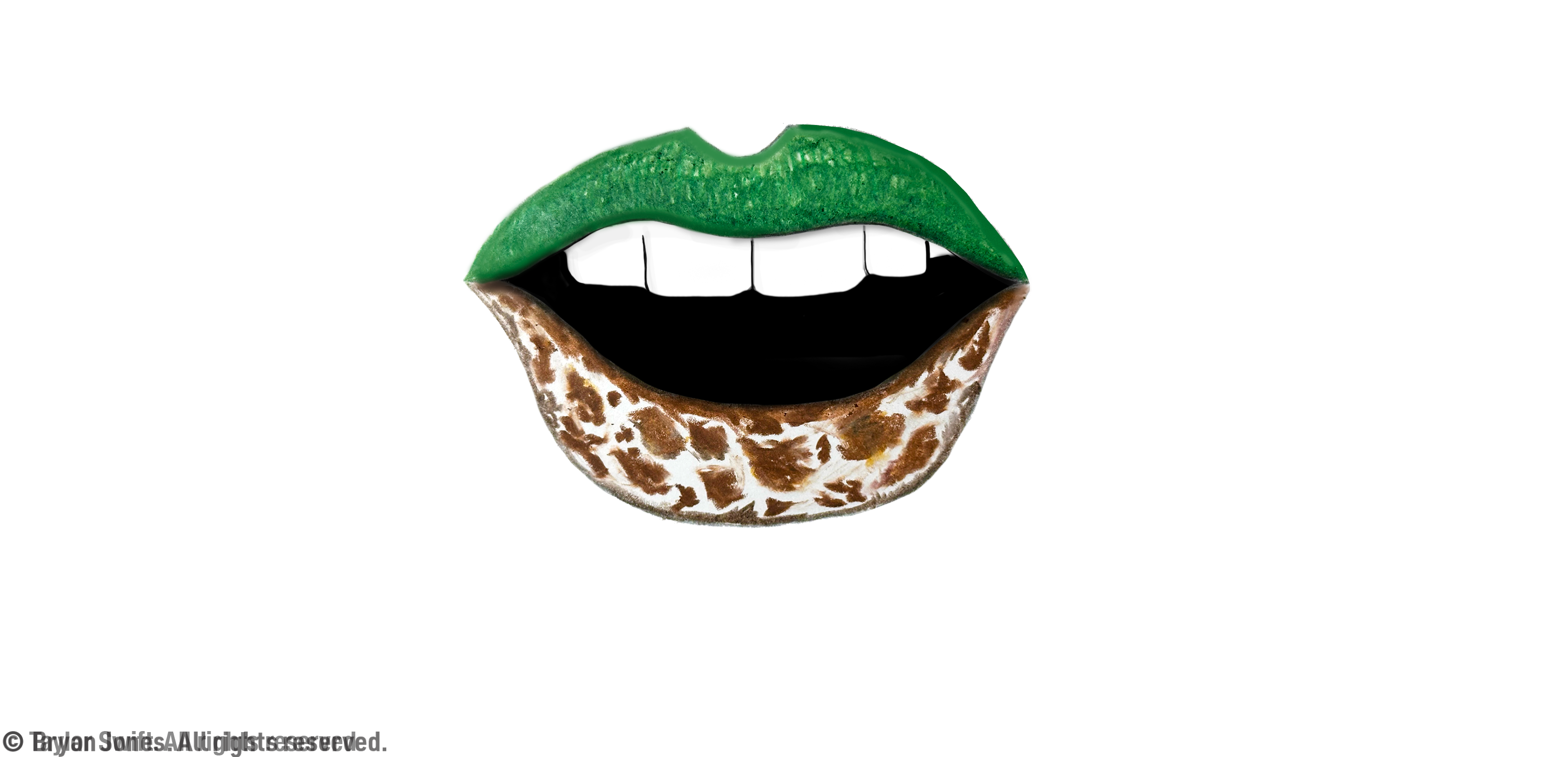
Seagull Dance
Bounce "It was Out!"
A day for Zen and her movie
Bird
Moon Landing
Light Bender
Hold'em
Pizza

Lautrec
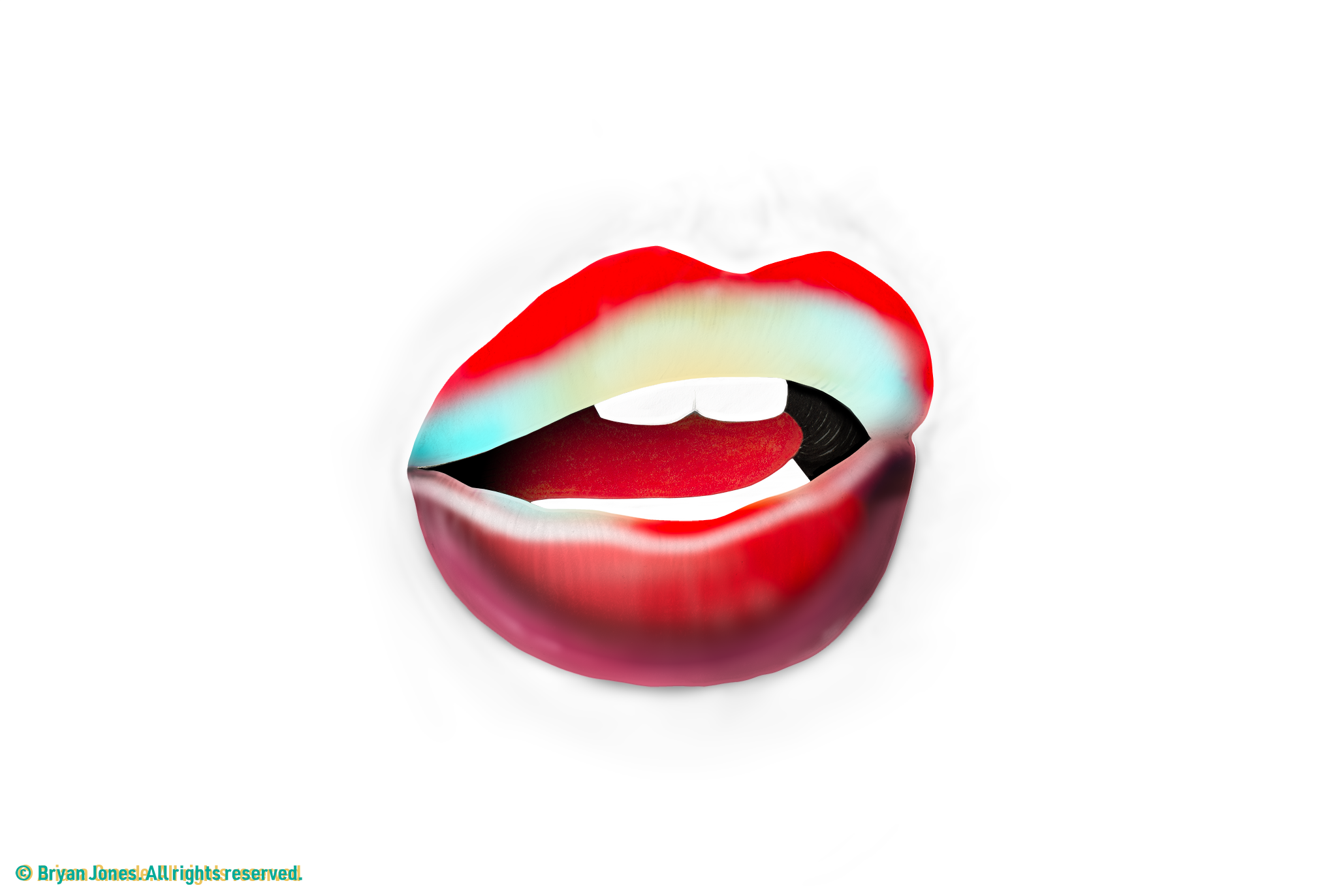
Just For Kicks

The Light
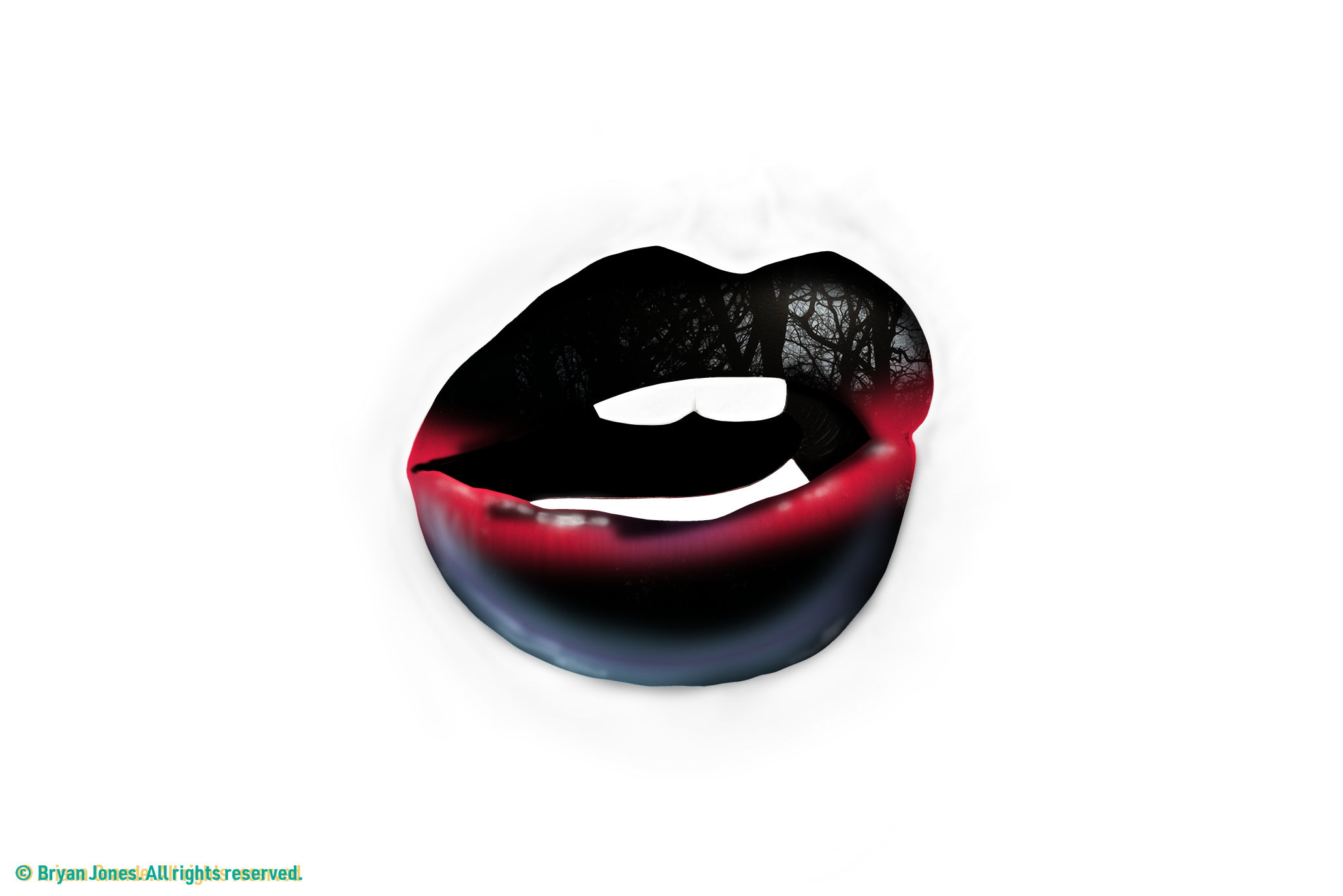
Gold line
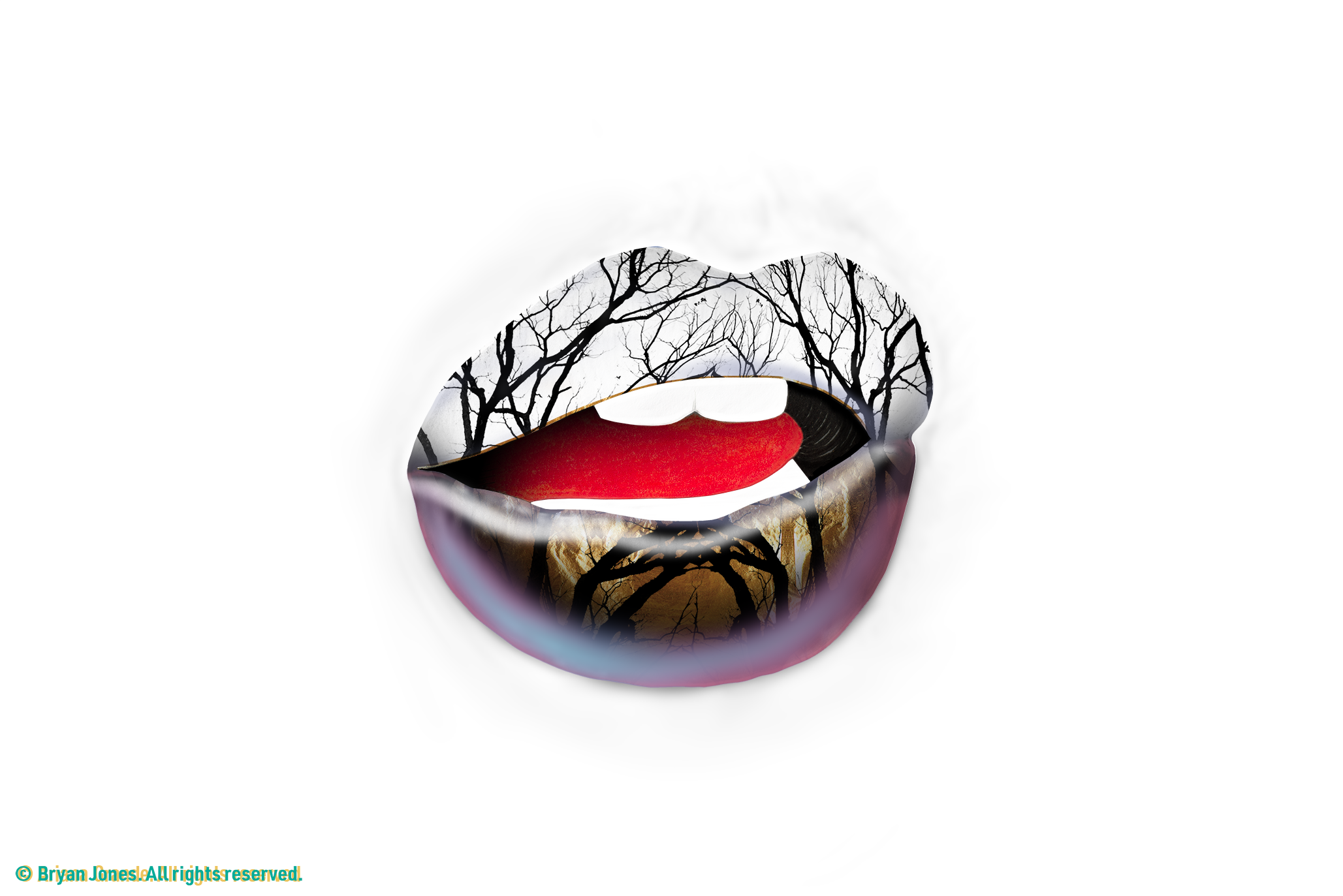
variations
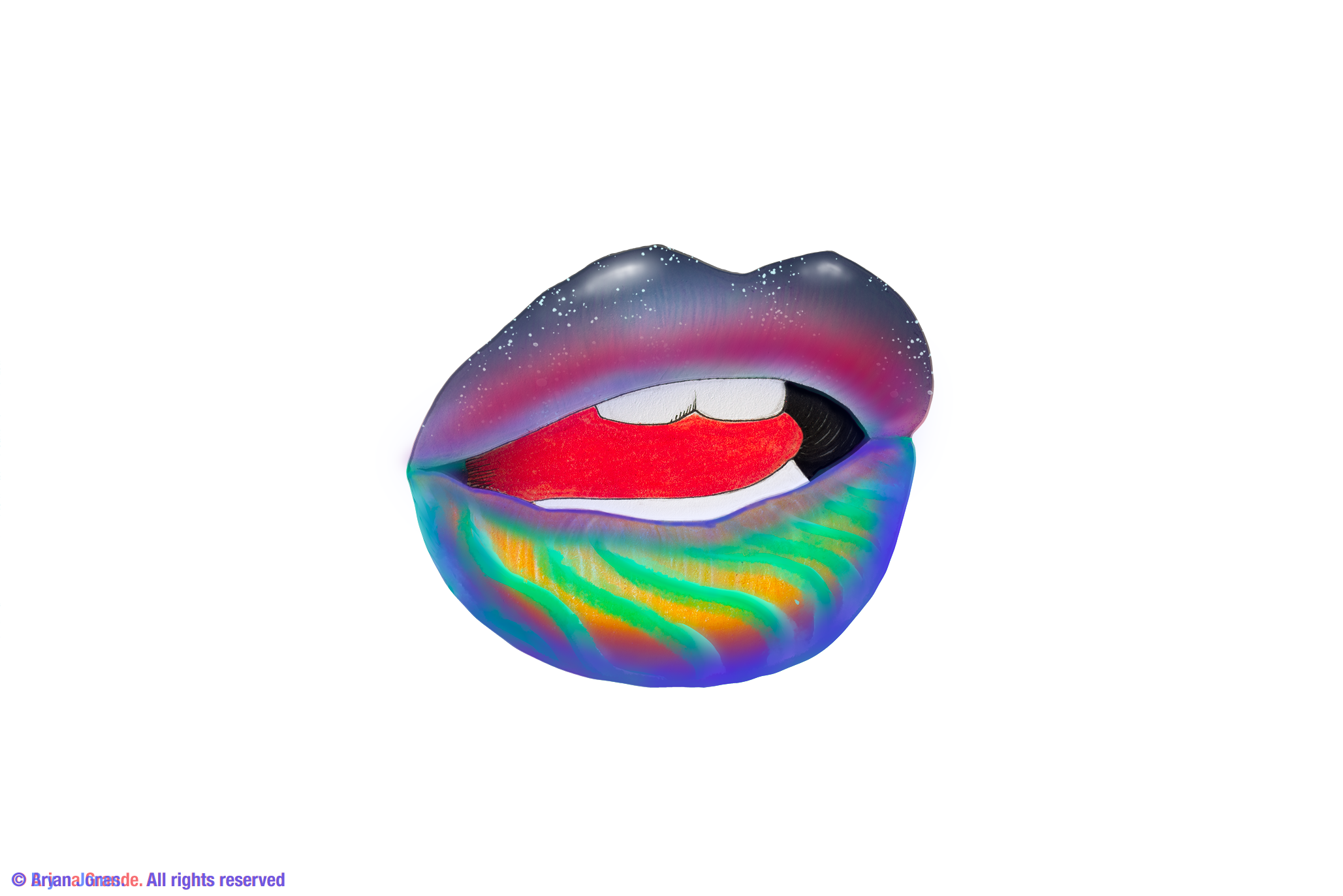
Cat
Pur ..copy
Hot
